Duff Family (1)
Duff Family (1)
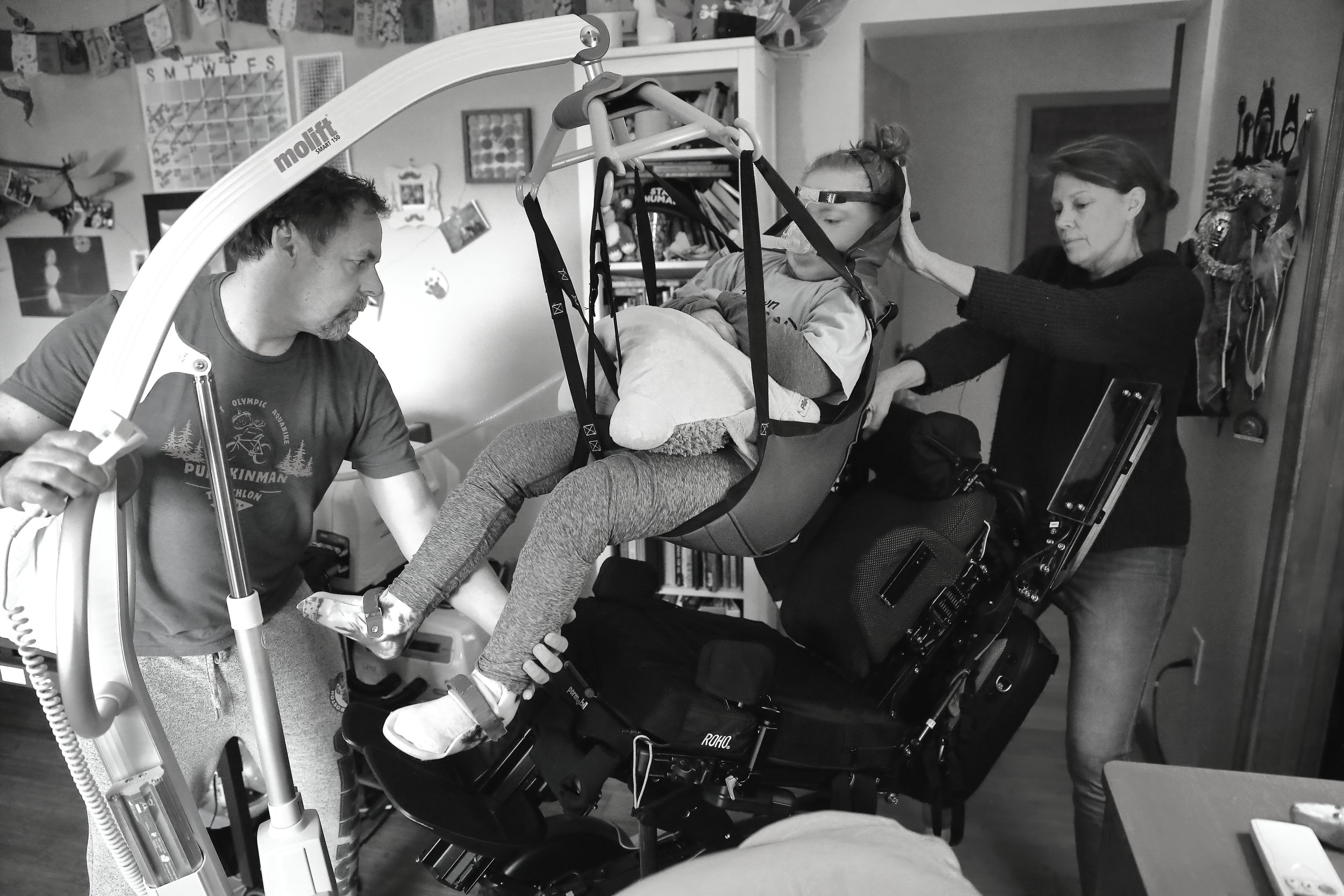
When Talia was 9, she was diagnosed with CMT4J, a progressive genetic disease similar to ALS that affects just 1 in 1 million people. As a little girl, Talia walked through the halls of her school with a walker or a helping hand. She was able to feed herself and was famous for her huge hugs. Now her nerves are dying, cutting off connections to her muscles, including her lungs. She needs a wheelchair to get around. She has lost the use of her arms and hands. She needs a ventilator to breathe.
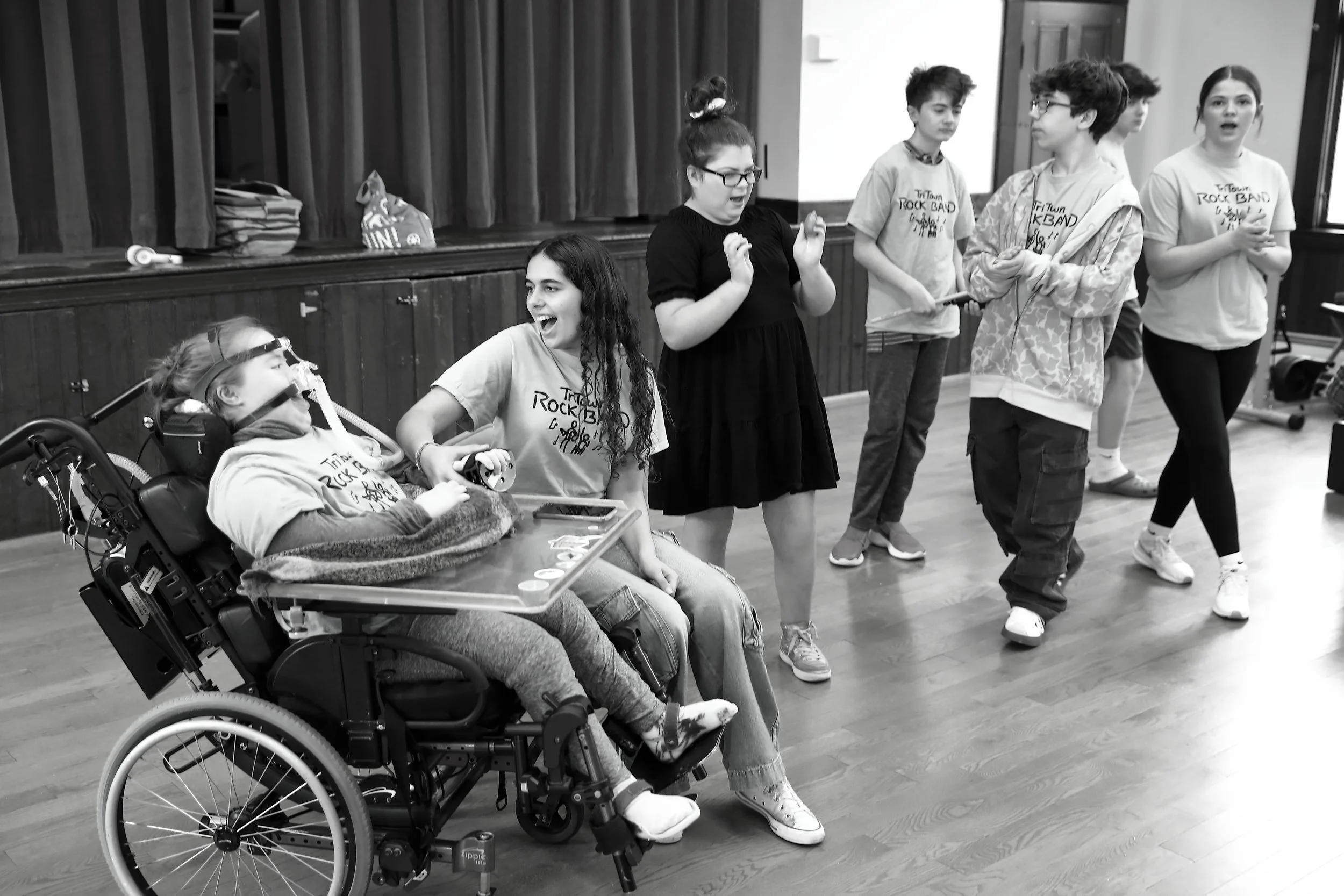
But Talia’s voice has become her superpower. It helps her to navigate life, advocate for herself, and break out into 80’s songs in her rock band to show the world who she is.
Duff Family (2)
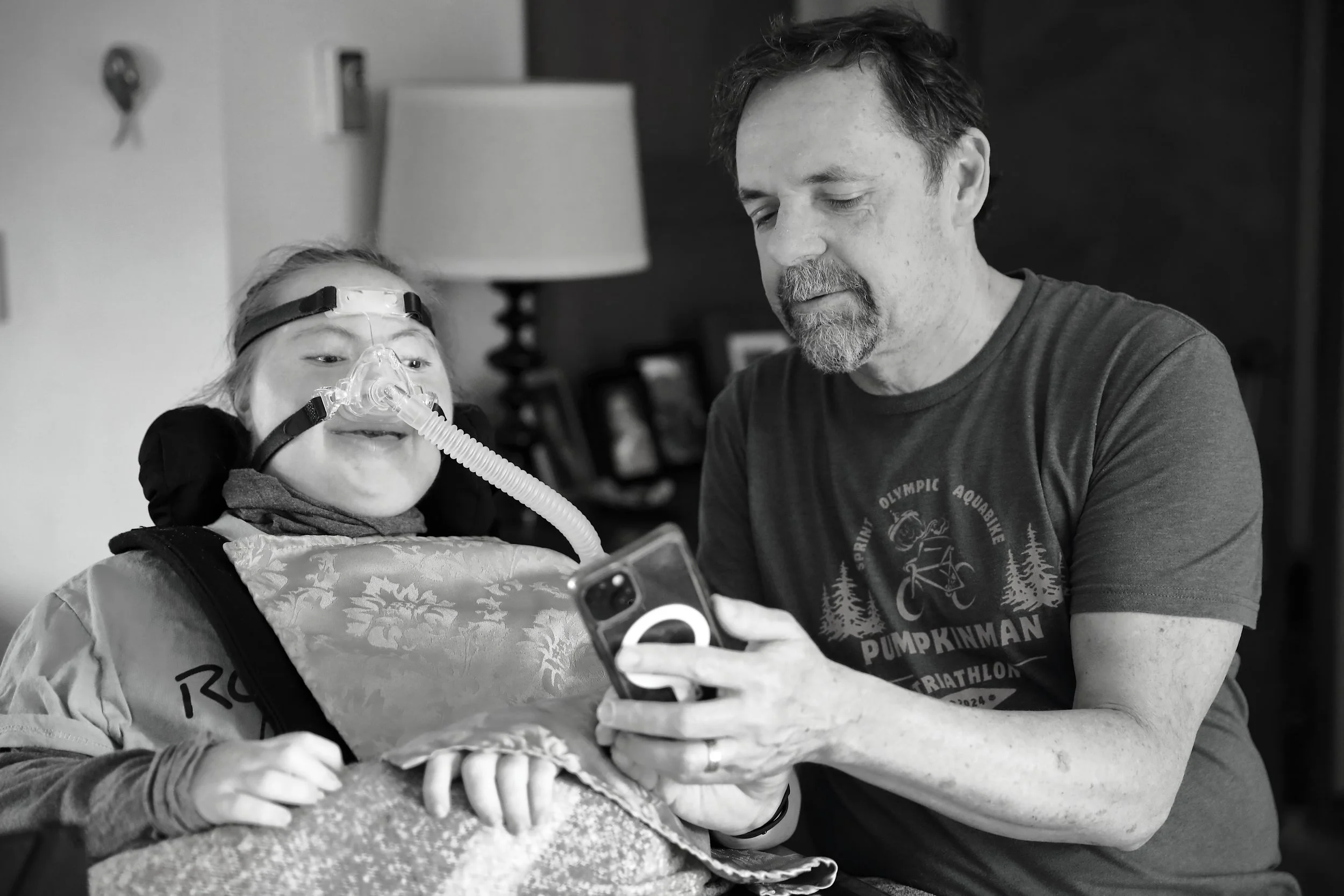
Eleven years ago, Talia was diagnosed with a deadly, progressive genetic disease. Since then, her parents have been by her side every single day. Her father, John, is the quiet steady force behind everything. Her mother, Jocelyn, is the one communicating with researchers, asking whether Talia's legs are in a comfortable position, checking her ventilator at night. John stops to ask Talia if she had a good day, thinking ahead to what game they could play next. Jocelyn lays awake at night worrying about what tomorrow may bring.
Together, they’ve been working tirelessly to create a beautiful life... one day at a time.
When Talia was 9 years old, her mom, Jocelyn, started fighting to save her daughter’s life. Within just 2 years, the scientists she had gathered had solid proof that their gene therapy might be able to stop her disease, but they lacked the millions of dollars needed to bring it to patients.
Tal used to ask when her 'muscle medicine' would be ready, but as the years passed and the numerous attempts to engage hospitals and companies failed, she stopped asking for it.
Today, Talia is 20 years old and her mom is still fighting. Talia has lost so many physical abilities but she is still thriving—she goes to college, hangs out with friends and family, and hikes in the woods in her wheelchair. Just recently, the treatment has been made and finally given the ok for patients. For Talia, this might mean getting better in certain ways - restoring some of her muscle function in her lungs, legs, arms or hands. Or it might mean just not getting worse. Either would be a huge win for Talia and her family.
As Jocelyn prepares for the big day she’s been fighting for, she picks up a photo of Talia at 12 years old - she's wearing a sparkly green dress standing over her science desk at school, her hands resting on the table as she looks down into a microscope. She's breathing on her own, standing on her own, using her arms and hands on her own. Jocelyn can't help but think about what Talia's life could have been if she had found the money and had her daughter treated then.
Duff Family (4)
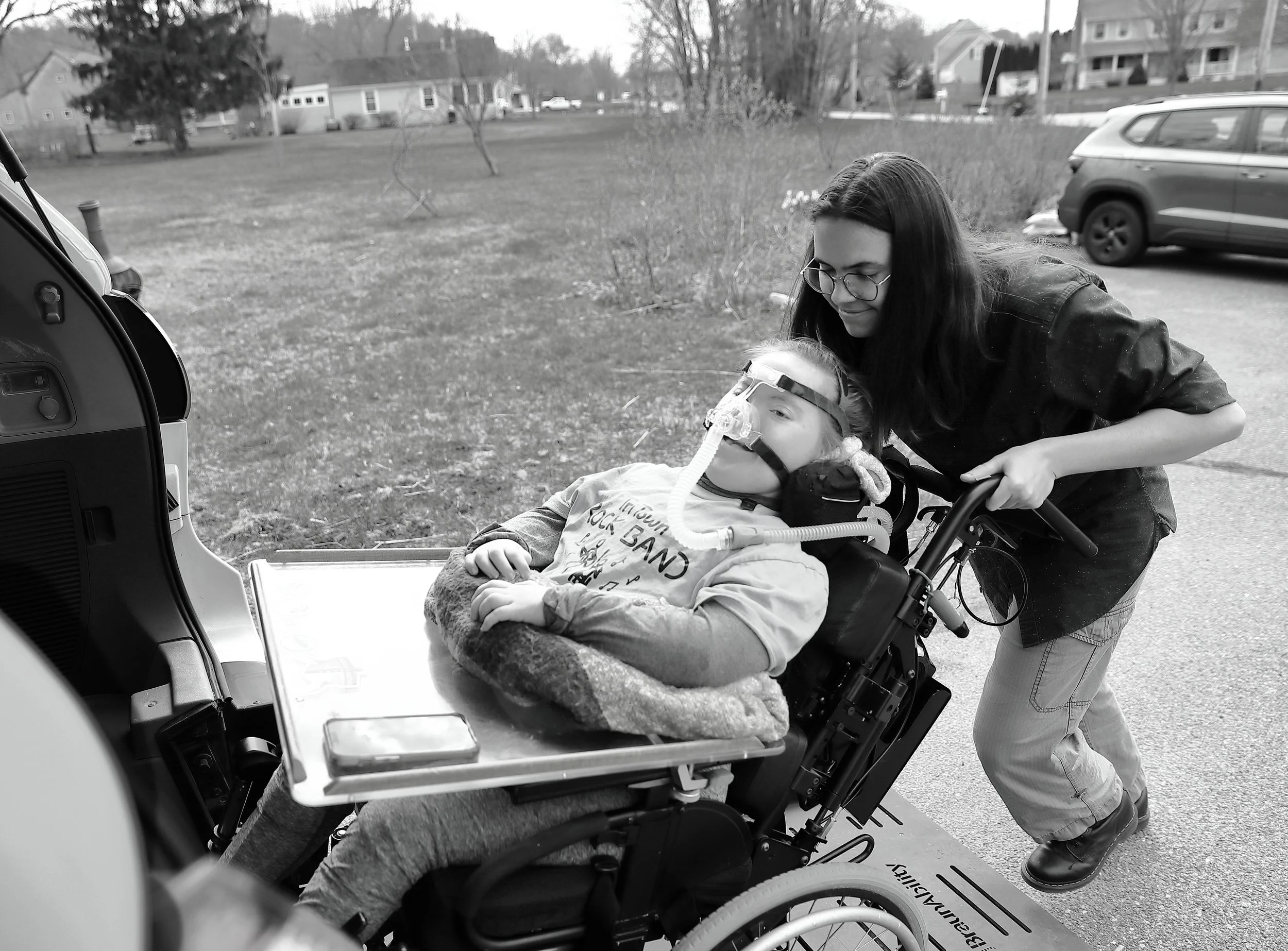
Talia's older sister, Teaghan, grew up watching her sister be diagnosed with CMT4J at just 8 years old. For Teaghan, there is no before or after. She only knows life as it is now: a slow path of loss and the ways that their family finds meaning within that.
At 23, Teaghan is a scientist, now living on her own. But she still has to balance the double-act of being a sister as well as a guardian; a friend as well as a caretaker.
Through all of this, Teaghan has acquired grit, and the understanding that grief and joy often walk hand in hand.